
Fencing, Trees, and Shrubs: A Practical Guide to Privacy and Structure
Defining Your Property With Fencing
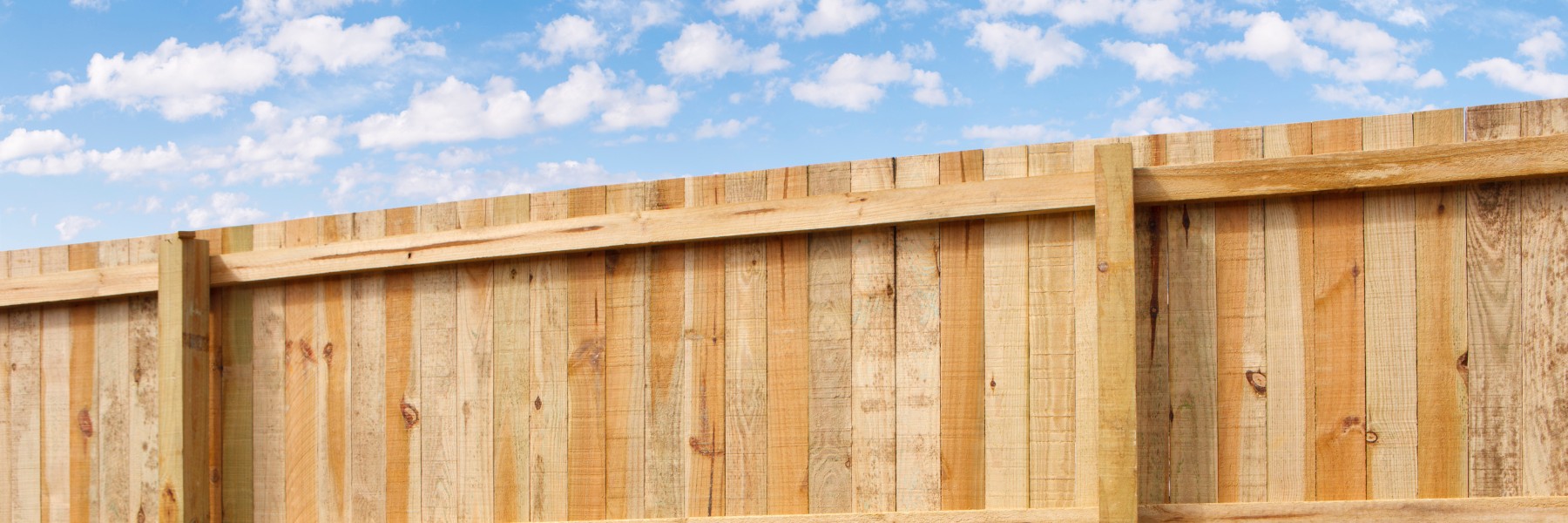
A fence does several jobs at once. It marks property lines, creates privacy, contains pets and children, and frames the yard like a picture frame. The right style also adds to the look of the home instead of competing with it.
Common options include wood privacy fences, cedar, ornamental metal, and chain link with various finishes. Wood offers a classic look and flexibility in height and style, while metal fencing provides a more open, refined appearance. Your choice depends on your priorities, budget, and any neighborhood or HOA guidelines.
Oklahoma's wind and temperature swings put stress on fences, so quality materials and solid post installation matter. Setting posts at the right depth, using appropriate fasteners, and choosing a layout that suits the terrain all help a fence stay straight and last longer.
Selecting Trees That Fit Your Space
Trees are a long-term investment, so it pays to choose wisely. Consider mature size before planting, and give each tree enough room from the house, driveway, and neighboring trees. Shade trees such as oaks, lacebark elm, and bald cypress can cool a yard, while ornamentals like redbud and crape myrtle add seasonal color on a smaller scale.
Location matters just as much as species. A tree planted in the wrong spot may need frequent trimming or end up competing with structures and utilities. Thinking about sun, soil, and future growth at the start prevents headaches later.
Young trees need careful establishment, including proper planting depth, mulch, and consistent watering through their first few seasons. Getting these basics right helps them develop a strong root system that can handle Oklahoma's summers.
Shrubs for Structure, Screening, and Color
Shrubs bring structure to planting beds and can fill roles that fences and trees cannot. They soften foundation lines, screen views, border walkways, and provide year-round greenery. Evergreens like boxwood, holly, and juniper provide a backbone, while flowering varieties such as hydrangea, spirea, and rose of Sharon add seasonal interest.
Spacing is one of the most common mistakes. Shrubs planted too close together or too close to the house quickly become crowded and require heavy trimming. Following the mature spread listed for each variety keeps the bed balanced and easier to maintain.
Shrubs also pair well with fencing. A row of evergreens along a fence line adds layered privacy and softens the hard edge of the boards, giving the yard a fuller look.
Pruning, Timing, and Ongoing Care
Pruning keeps trees and shrubs healthy, shapely, and in scale with the landscape. The right timing depends on the plant. Many spring-blooming shrubs, such as azaleas and forsythia, should be pruned right after they flower, while summer bloomers like crape myrtle are typically trimmed in late winter. Pruning at the wrong time can reduce blooms for the season.
Good technique matters too. Clean cuts, appropriate branch selection, and a plan for the plant's natural shape give better results than heavy shearing. Over-pruning can leave plants stressed and misshapen, so it is best to be thoughtful and consistent.
Our Fencing, Tree & Shrub Services cover installation, shaping, and ongoing care so your property keeps its form through every season. Finer Edge Landscape Group offers free estimates throughout the Oklahoma City metro, including Edmond, Norman, Moore, Yukon, Mustang, Newcastle, and Noble. Reach out to talk about your project.